



As we navigate through the digital landscape of 2025, the concept of playtime has undergone profound transformations, intertwining deeply with technological advancements. The gaming industry, in particular, is at the forefront of this evolution, as cutting-edge technologies such as artificial intelligence (AI) reshape how players engage with digital environments and redefine what gaming means for millions around the globe.
In recent years, AI has significantly enhanced the gaming experience, offering more immersive, personalized, and intelligent interactions. Developers are leveraging AI to create games that adapt to players' skills and choices, making each gaming session uniquely tailored and offering unparalleled replayability.
The growing prominence of AI in gaming raises both opportunities and challenges. On the one hand, AI-driven opponents can now simulate human-like behavior, providing players with more realistic and challenging scenarios. On the other hand, ethical concerns about data privacy and algorithmic bias bring new complexities that need addressing.
Moreover, the social dynamics of gaming communities have been transformed as AI facilitates new forms of interaction. Virtual reality (VR) platforms, powered by AI, allow players from across the world to gather in shared digital spaces, blurring the lines between the virtual and the real. These digital gatherings are becoming central hubs for cultural exchange, collaboration, and even international competitions.
The rapid integration of AI into gaming also impacts the economic sector. With growing consumer interest in AI-integrated games, investments in this arena are surging, fostering innovation and economic growth. However, this shift also necessitates a re-evaluation of skills among the workforce, prompting educational institutions to adapt their curricula to include AI literacy and coding skills.
As we look towards the future, the interplay between AI and gaming will likely continue to deepen, further altering our perceptions of leisure and relaxation. For gamers and industry stakeholders alike, staying informed about these technological advancements is crucial.
In conclusion, the notion of playtime today is a testament to the ingenuity of human creativity and technological progress. As we continue to explore digital realms enabled by AI, we must remain vigilant to ensure that this progress remains inclusive, ethical, and enriching for all. The journey toward the future of gaming and leisure begins now.

2026 marks a transformative year for online gaming, connecting communities and pushing technological boundaries.
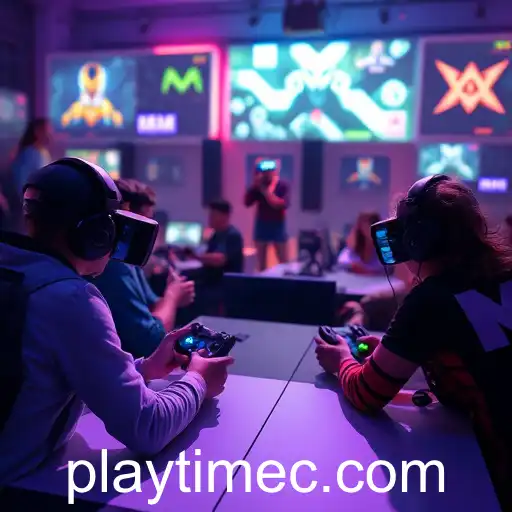
In 2025, the gaming industry is redefining playtime with innovative technologies and gamification, engaging players worldwide.

An exploration of the latest trends in online gaming, focusing on the evolution of playtime and how technology has reshaped the landscape in 2026.

Exploring the latest trends in online gaming, from virtual reality innovations to the growing esports scene, as they redefine playtime.

Playtime takes the helm in redefining interactive gaming in 2025, merging immersive technology with classic gameplay.

Exploring the transformation of playtime through digital gaming and its cultural impact in 2025.
