


In the bustling world of online gaming, 'playtime' has gained a significant and multifaceted relevance as we step into 2026. With the advent of new technologies, gaming has transformed from a mere hobby to an essential aspect of modern digital life. Recent innovations, such as virtual reality gaming and AI-driven storytelling, have redefined how we perceive and partake in playtime.
Today's gaming platforms are not just about playing; they are about building communities. A report from the Global Gaming Market Review highlights that more than 70% of gamers consider social interaction as one of the main aspects of their gaming experience. Titles such as 'Fortnite' and 'Roblox' have set precedents by creating worlds where players can connect, collaborate, and even compete with users across continents, turning playtime into a global social event.
Moreover, the business aspect of playtime cannot be overlooked. According to the Interactive Games and Entertainment Association, the gaming industry generated over $180 billion in just the previous year, with a significant chunk attributed to mobile gaming and microtransactions. 'Loot boxes' and 'battle passes' have introduced a layer of economic strategy in how players spend their playtime, often blurring the lines between recreation and commerce.
In a cultural context, gaming and dedicated playtime have proven to serve as educational tools, promoting skills like critical thinking and teamwork among younger audiences. Additionally, the COVID-19 pandemic further amplified gaming's role in mental health by providing an escape and a sense of normalcy amidst global disruptions.
While these developments are exciting, they are not without challenges. Issues such as addiction, digital wellbeing, and data privacy have attracted scrutiny from both parents and regulatory authorities worldwide. As the dynamics of online gaming continue to evolve, stakeholders, including developers, legislators, and educators, must collaborate to address these concerns responsibly.
In conclusion, the significance of playtime in 2026 defines a new era of digital interaction, driven by technology and community engagement. Whether for entertainment, education, or socialization, playtime remains at the core of how individuals across the globe choose to spend their leisure hours.

Explore the dynamic world of gaming in 2025, where playtime is redefined by innovative technologies and global trends.
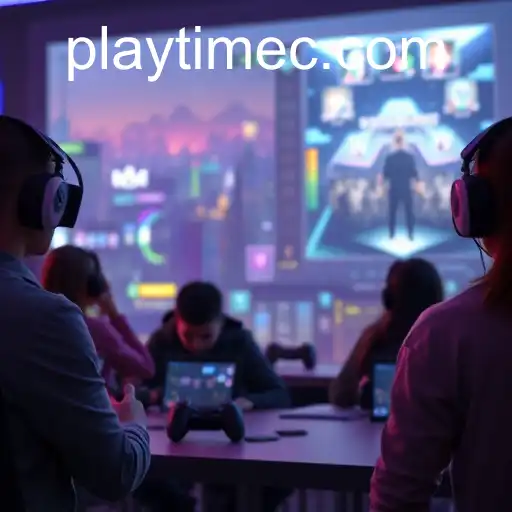
Explore the latest trends in the online gaming industry as 2025 ushers in revolutionary changes.

Explore the transformation of the gaming industry in recent years and how 'playtime' has taken on a whole new meaning for gamers globally.

An analysis of the current state of online gaming in 2025, exploring industry trends, technological advancements, and their impact on gamers worldwide.

Exploring the transformation of playtime through digital gaming and its cultural impact in 2025.

Exploring the dynamic evolution of playtime through the lens of modern technology and virtual experiences.
